

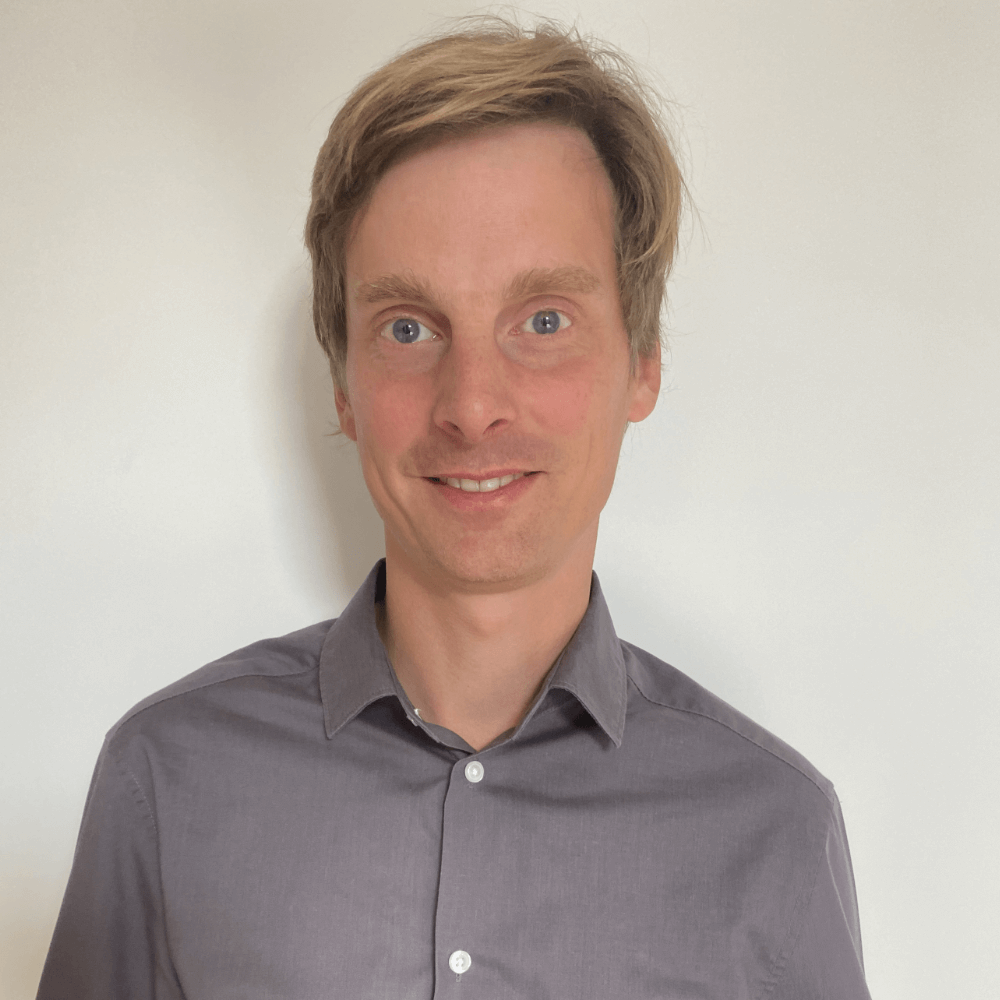
Meet Erik Coppens
ONDRAF/NIRAS
Eric Coppens’ project focused on optimising the conditioning of acidic aqueous liquid radioactive waste at the Belgoprocess site. The aim was to refine a multi-stage cementation process to reduce costs, increase operational robustness, and ensure regulatory compliance without compromising quality.
Vote nowProject name: P047: Optimizing Waste Conditioning for Cost Efficiency and Quality
This project focused on optimising the conditioning of acidic aqueous liquid radioactive waste at the Belgoprocess site. The aim was to refine a multi-stage cementation process to reduce costs, increase operational robustness, and ensure regulatory compliance without compromising quality.
Project description
Project P047 addressed the conditioning of acidic aqueous liquid radioactive waste stored in reservoir 540-13 at Belgoprocess. Over the past decade, a multi-stage cementation process had been developed, and the objective of this project was to optimise it further for cost efficiency and quality.
Using new data and advanced statistical modelling, the team identified opportunities to significantly increase the concentration factor (CF) applied before pH adjustment and cementation. This change promised notable efficiency gains while ensuring compliance with technical and regulatory requirements.
The approach included predictive modelling of process and material behaviour, robust testing protocols, and a flexible design-of-experiments framework. This allowed the process to adapt to raw material variability and supply chain risks. The project also addressed technical constraints such as setting times, temperature limits, and waste acceptance criteria, including compressive and flexural strength.
By demonstrating that higher CFs and the use of technical-grade Ba(OH)₂·8H₂O could be implemented without performance loss, the project supported both operational improvement and long-term regulatory readiness.
Project management excellence
As Statistical Engineer, I managed the project using a data-driven and cross-disciplinary approach. The work was structured to balance rigorous research with operational applicability, ensuring that technical advances could be implemented within the regulatory framework.
The methodology combined data-driven decision-making, flexible experimental design, meta-model development, and robust design principles. Collaboration across scientific, operational, and regulatory domains ensured that stakeholder needs were addressed and that all changes were validated before implementation.
Challenges included uncertainty in waste composition, variability in supply chains, and the need to meet strict technical and regulatory requirements. These were addressed through model validation, scenario planning, and careful risk management.
Project outcomes and impact
The optimisation identified a conservative potential cost reduction of approximately €20 million in overnight costs. Operational process margins were increased and clearly defined, strengthening both efficiency and reliability.
The project also enhanced supply chain resilience and ensured readiness for regulatory approval. Managing this initiative reinforced my expertise in applying advanced statistical methods to high-stakes operational processes, delivering measurable financial and operational benefits while maintaining environmental and safety standards.
Vote for Erik Coppens!
The voting period has ended, thank you for your interest!
